Allergy friendly treats for a class party start with the school’s rules, not the recipe: ask what food is allowed, check every current ingredient label for the nine major allergens, keep portions individually wrapped so nothing is shared, and hand the treat to the teacher with a written ingredient list. Most of the work is planning, not baking. Give yourself about two hours for a batch of twenty-five, and the difficulty is low.
I’ve seen this go wrong in the same way more than once. Someone brings a beautiful tray of homemade cookies, a classmate with a severe nut allergy sits at the same table with the same serving spoon, and a well-meaning parent photographs the ingredient list afterward. The cookies were fine. The spoon was the problem.
Table of Contents
- What You Need to Make Allergy-Friendly Treats for a Class Party
- Step-by-Step
- 1. Confirm the school’s allergy and party rules
- 2. Plan how to make allergy friendly treats for a class party with clear labels
- 3. Choose a simple menu that can be served safely
- 4. Prepare the treats with cross-contact controls
- 5. Label, store, and serve each treat
- Common Mistakes
- Frequently Asked Questions
- What are easy allergy friendly treats for a class party?
- Are store-bought snacks safer than homemade treats for allergies?
- What treats can I make without peanuts or tree nuts?
- How should allergy friendly treats be labeled at school?
- Can one allergy friendly treat be served to the whole class?
- What should I do if the school does not provide allergy information?
- Conclusion
What You Need to Make Allergy-Friendly Treats for a Class Party
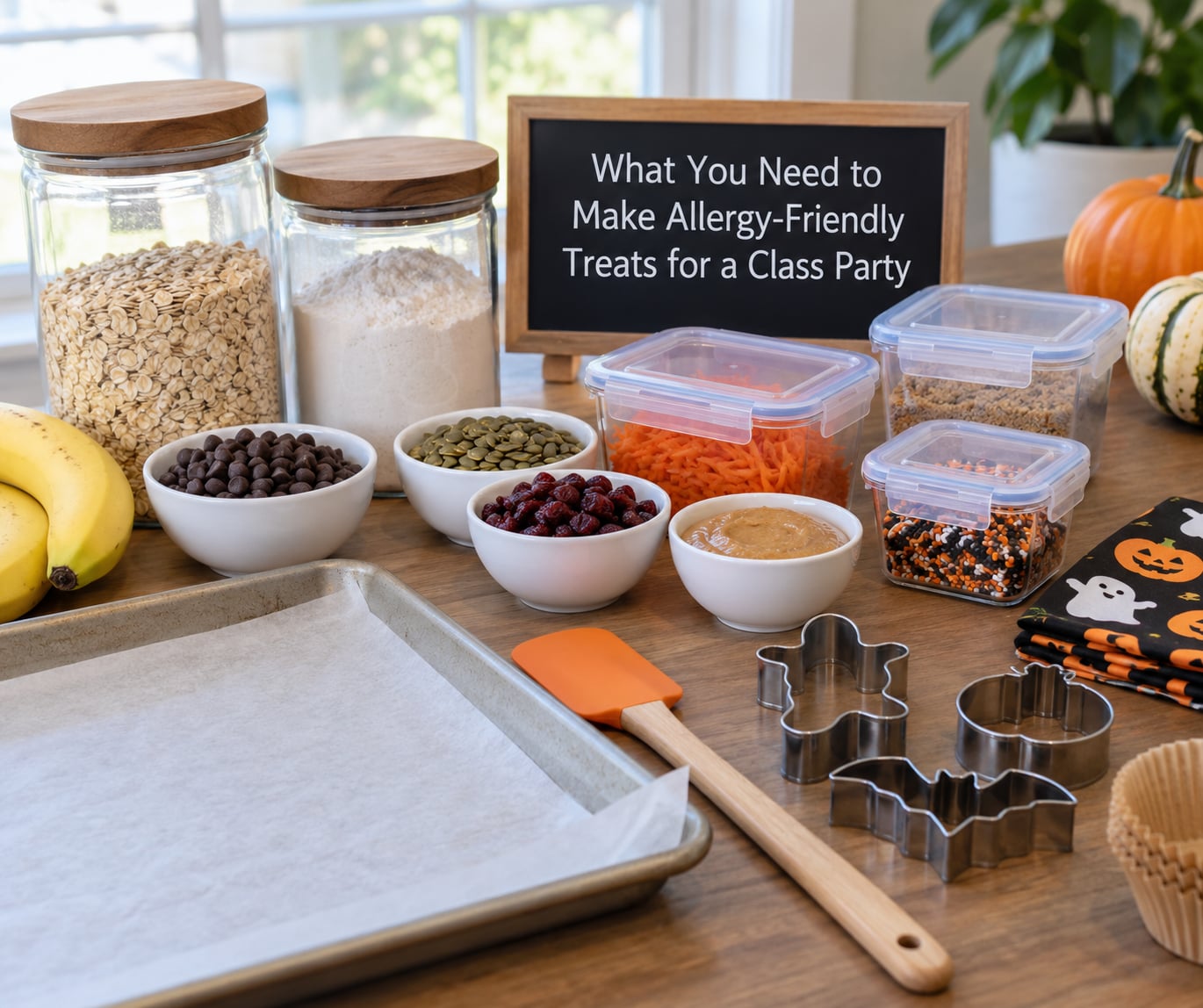
Before anything goes in the oven, gather the things that decide whether the treat is acceptable.
- The school’s party and allergy policy. Many districts forbid homemade food in the classroom entirely, or require individually packaged items only.
- Allergen information from families or the teacher. Some schools will tell you what’s in the room. Most won’t, and that is a conversation to have early.
- Every ingredient package, in hand. Labels change between batches, so read the one you’re actually holding, not the one you remember from last year.
- One or two simple treats. A shared treat plus a couple of classroom options beats one complicated dessert.
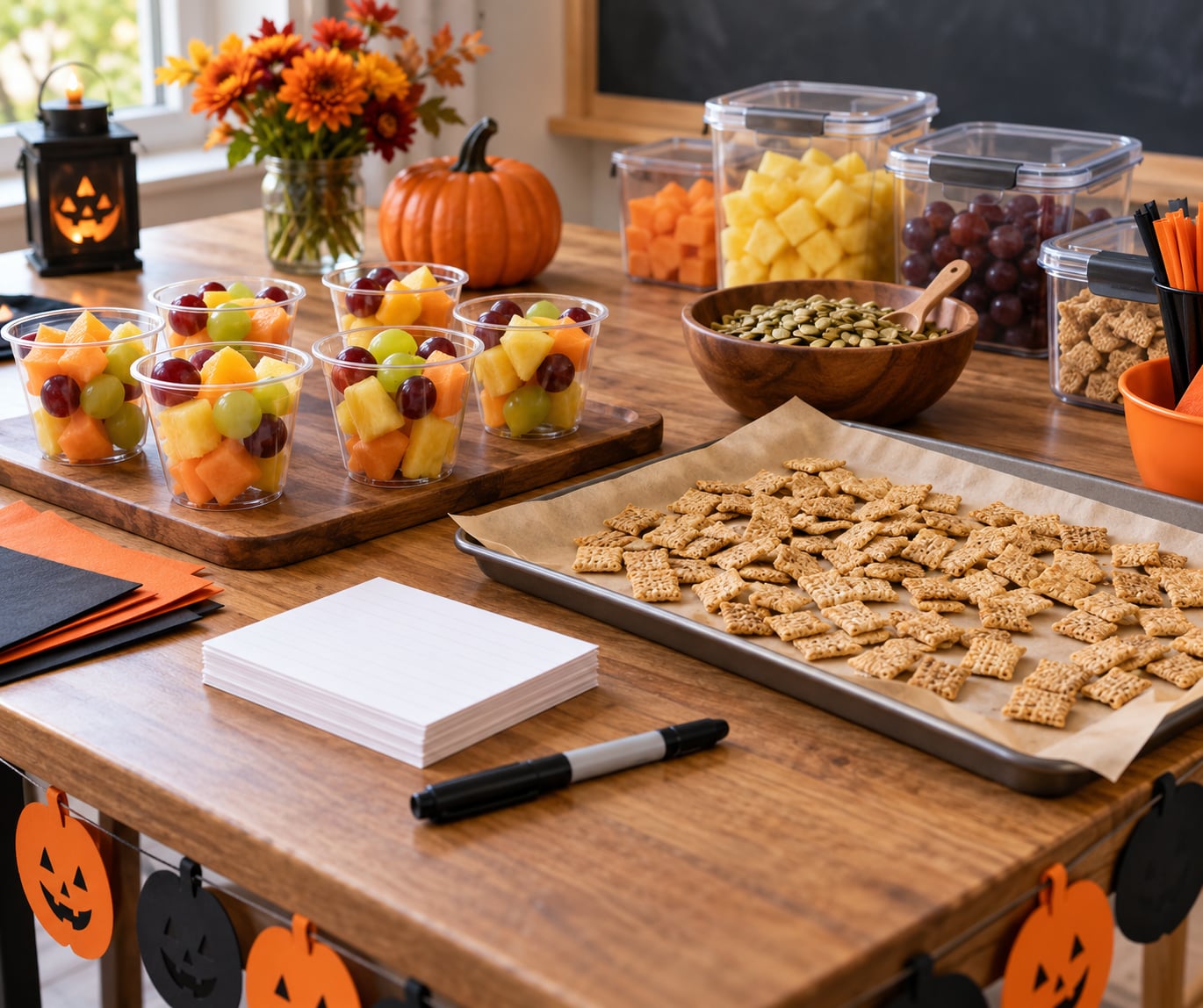
- Individual portions: small cups, muffin liners, cellophane bags, parchment rounds.
- Storage and serving supplies: sealed containers for transport, index cards or labels, a marker, and one utensil per dish.
Be clear about one thing: allergy-friendly does not mean guaranteed safe. Whether a treat is safe for a specific child is a decision for that child’s family, the school, and their healthcare provider. Your job is to make the ingredients completely clear and the cross-contact risk as close to zero as you can.
Step-by-Step
1. Confirm the school’s allergy and party rules
Ask the teacher or the school office before you buy anything. Six questions cover almost everything:
- Is food allowed in the classroom for celebrations at all?
- Are homemade treats permitted, or must items arrive sealed and packaged?
- Does the school have a food allergy policy or an Individualized Health Plan for a student in the room?
- Must the treat be individually packaged and unopened until serving?
- Who hands the food over, and who serves it?
- Are you expected to provide serving utensils or the whole snack table?
Get the answer in writing, even if it’s a quick email. Parents on r/peanutallergy describe teachers disregarding an Individual Health Plan and bringing in donuts anyway, which is exactly the situation a written answer prevents.
How to tell this step worked: you have a clear yes or no on homemade food, and you know who to hand the treat to.
2. Plan how to make allergy friendly treats for a class party with clear labels
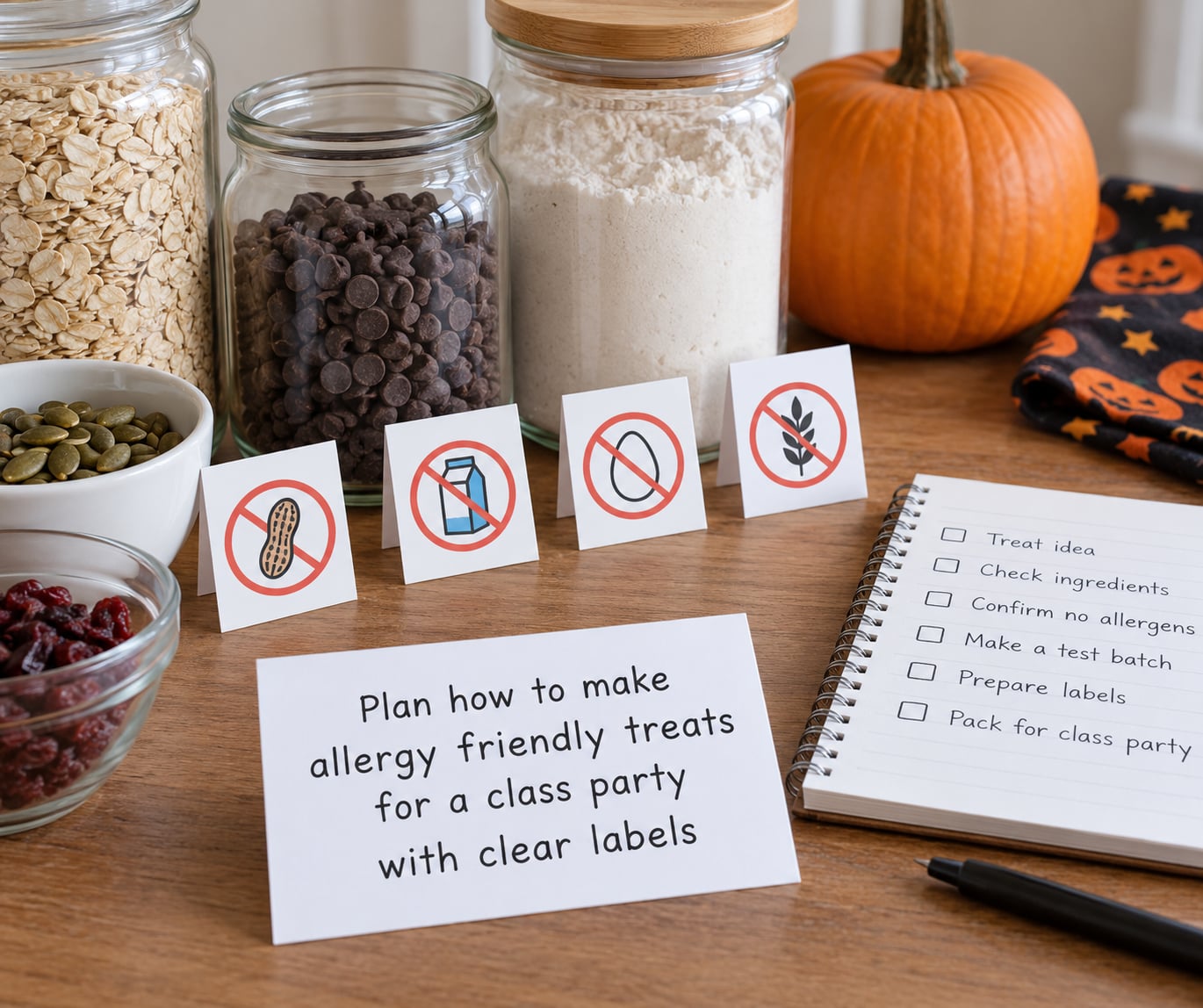
Read every label for the nine major allergens the FDA requires food makers to declare: milk, egg, fish, shellfish, tree nuts, peanuts, wheat, soy, and sesame.
Then check the places people forget. Oats and granola can carry wheat or nut cross-contact. Chocolate chips often carry soy and milk. Marshmallows contain gelatin. Frostings, sprinkles, gummies and even cupcake liners can bring in milk, egg, soy, dyes or sesame oil. Gelatin is worth screening on its own; it is not one of the nine, but plenty of parents are avoiding it, and it shows up in gummies, yogurt and marshmallow-based treats.
One label phrase deserves a pause. Made in a nut-free facility is a manufacturing claim about a specific facility. May contain nuts or processed in a facility with nuts is a cross-contact warning, and for a child with a severe allergy it is often a dealbreaker. Both phrases appear on real packaging; they are not the same promise.
Write the ingredients down before you start cooking. Transcribe the list from each package, in order, and keep it beside you. That list becomes the card you hand the teacher.
How to tell this step worked: you can recite every ingredient in the treat without looking at anything.
3. Choose a simple menu that can be served safely
Simple treats survive classroom logistics better than impressive ones. Here are the formats that hold up well.
- Individually wrapped packaged snacks. On r/FoodAllergies, parents repeatedly name regular Oreos, Goldfish, Cheez-It and veggie straws among verified options. Teachers on r/Teachers give the same guidance: clearly labeled, sealed, one per kid.
- Fruit cups or skewers. Cut fruit in individual cups with a short fruit skewer. Skip whole grapes and popcorn for preschool rooms, which are choking hazards under age five.
- Pumpkin fruit cups or ghost-shaped melon wedges. Spooky without a single allergen beyond what you chose.
- Rice cereal squares. Check the cereal box and the butter substitute; both vary.
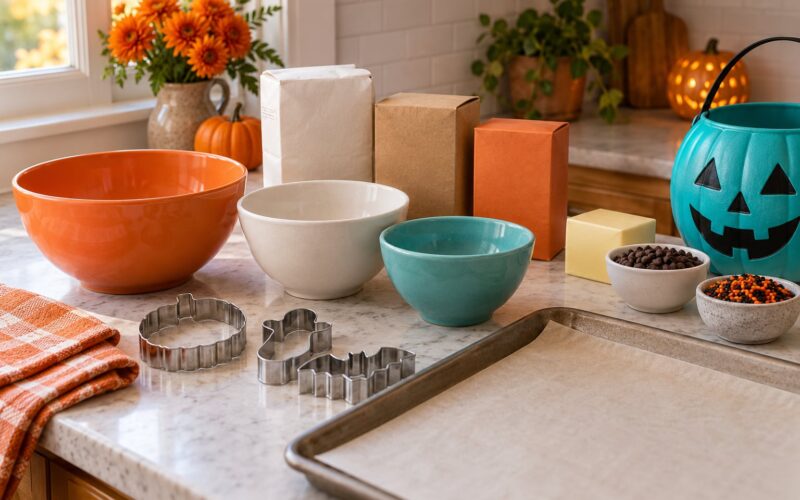
- Decorated cookies. A plain sugar cookie plus icing you have read the label on.
Substitutions worth knowing, so one restriction doesn’t rule out the whole party:
- Dairy: coconut oil or a neutral oil in place of butter; a verified dairy-free spread for frosting.
- Egg: the label on a commercial egg replacer, used exactly as directed.
- Gluten: certified gluten-free oats for a granola-style treat, and one-bowl cereal bars made with a checked cereal.
- Nut: sunflower seed butter or pumpkin seed butter in place of nut butter, checking the jar for shared-line warnings.
- Gelatin: set your own treats with pectin or agar rather than marshmallow fluff.
- Dye: skip artificial color and use fruit or vegetable color, or skip decorating entirely.
How to tell this step worked: every item on your list can be portioned, labeled and handed over without a shared utensil.
4. Prepare the treats with cross-contact controls
Cross-contact is how a safe recipe becomes an unsafe snack. Control it with order and separation.
- Wash hands, clean counters, and use utensils and bowls you have just washed.
- Make the approved food first, before you open anything questionable.
- Keep a separate utensil for every dish. One serving spoon for three foods is a shared-utensil problem no label can undo.
- Make no last-minute substitutions. Swapping butter for oil halfway through changes the allergen profile you checked.
- Package portions individually, then seal the container.
A treat should not be treated as safe for a person with a severe allergy unless the school and that person’s family have agreed on both the ingredients and the preparation method. If you cannot get that agreement, bring something sealed and labeled instead.
5. Label, store, and serve each treat
Every portion gets a label, not just the box. Include the treat name, the ingredients in order, the major allergens contained, a cross-contact statement, the date, and your name and contact.
For storage, keep baked and shelf-stable treats sealed at room temperature in a cool room, and chill cut fruit and anything with dairy-free yogurt or whipped topping. Transport them in separate sealed containers so nothing shifts or leaks, and hand the container directly to the teacher rather than leaving it on a shared desk.
At serving time, use one utensil per dish and pour portions into individual cups. Teachers notice this, and it makes the whole table calmer.
Common Mistakes
- Guessing at ingredients. Memory fails when a recipe gets modified. Read the package.
- One spoon for several foods. This is the single most common way an allergy-friendly snack becomes risky.
- Treating an unlabeled snack as allergy-friendly. Absence of a warning is not the same as a clean ingredient list.
- Changing the recipe after checking labels. Every swap is a new set of ingredients to verify.
- Forgetting decorations. Sprinkles, icing, cupcake liners and candy eyes all have ingredient lists of their own.
- Skipping gelatin and dye. They are outside the top nine and still exclude real families.
Two habits fix most of the above. Keep a written master ingredient list for every treat, and keep one backup sealed option on hand so a rule change doesn’t send you home with a tray of nothing.
Frequently Asked Questions
What are easy allergy friendly treats for a class party?
The easiest options are individually wrapped packaged snacks, single-serving fruit cups with a skewer, decorated sugar cookies, and no-bake cereal squares. Each can be portioned, labeled and served with its own utensil, which is what keeps cross-contact risk low. Start with one shared treat and one or two simple options rather than a layered dessert, and always check the school’s policy first.
Are store-bought snacks safer than homemade treats for allergies?
Often, yes, for one reason: a sealed package carries a printed ingredient list the teacher can read, and nothing has touched your counters. Parents on r/FoodAllergies frequently name regular Oreos, Goldfish, Cheez-It and veggie straws among verified options. Homemade treats work too when you list every ingredient, portion each serving individually, and never share a spoon.
What treats can I make without peanuts or tree nuts?
Fruit cups and melon shapes, decorated sugar cookies made from a checked recipe, pumpkin or sunflower seed butter cookies, rice cereal squares, and frozen yogurt bark with verified ingredients all work. The nut swaps most parents use are pumpkin seed butter and sunflower seed butter in place of almond or peanut butter. Check jars for shared-equipment warnings, since seeds are often milled near nuts.
How should allergy friendly treats be labeled at school?
Label every individual portion, not just the container. Include the treat name, the ingredients in order, the major allergens contained, a cross-contact statement, the date, and your name. Write the list from the packages rather than from the recipe, so the teacher and any parent can verify it quickly, and hand the written list to the teacher with the treat.
Can one allergy friendly treat be served to the whole class?
Yes, and it is usually the best outcome because no one is singled out or left watching. It only works if every ingredient has been checked and portions are individually wrapped or in individual cups with a separate utensil. If a severe allergy is present, the school and that child’s family should agree to the specific recipe and preparation method before you bring it.
What should I do if the school does not provide allergy information?
Ask the teacher directly whether any student has a food allergy and whether the school has a written policy or health plan. If the answer is unclear, bring sealed, individually packaged treats with the full ingredient list visible, since that carries no preparation risk at all. For advice about a specific child, contact that family and their healthcare provider rather than guessing.
Conclusion
Ask the school what is allowed before you shop. Choose one shared treat and one or two simple options. Read the current package for every ingredient, including the decorations. Prepare approved food first, portion it individually, label every piece, and hand it to the teacher with the written list.